
Asphalt and Paving Projects in London Ontario: How Condo Boards Plan, Tender and Fund Them
(From a Condominium Management Expert)
Practical Guidance for Smarter Governance in London & Sarnia, Ontario
Every spring a London Ontario condo board walks the property and sees the same thing. The parking lot has new cracks, a pothole near the entrance has been patched twice, and an owner has written in about a trip hazard on the walkway. Your corporation already has a manager, yet the paving question keeps coming back as a repair call instead of a plan.
Asphalt and paving work is one of the larger projects a townhouse or vacant land corporation takes on, because private roads, driveways and parking areas can cover much of the site. This guide covers who is responsible for paving under section 90 of the Condominium Act, 1998, how the reserve fund fits, how to scope and tender the work, and what the Construction Act means for paying the contractor. It is written for boards in London Ontario and Sarnia Ontario.
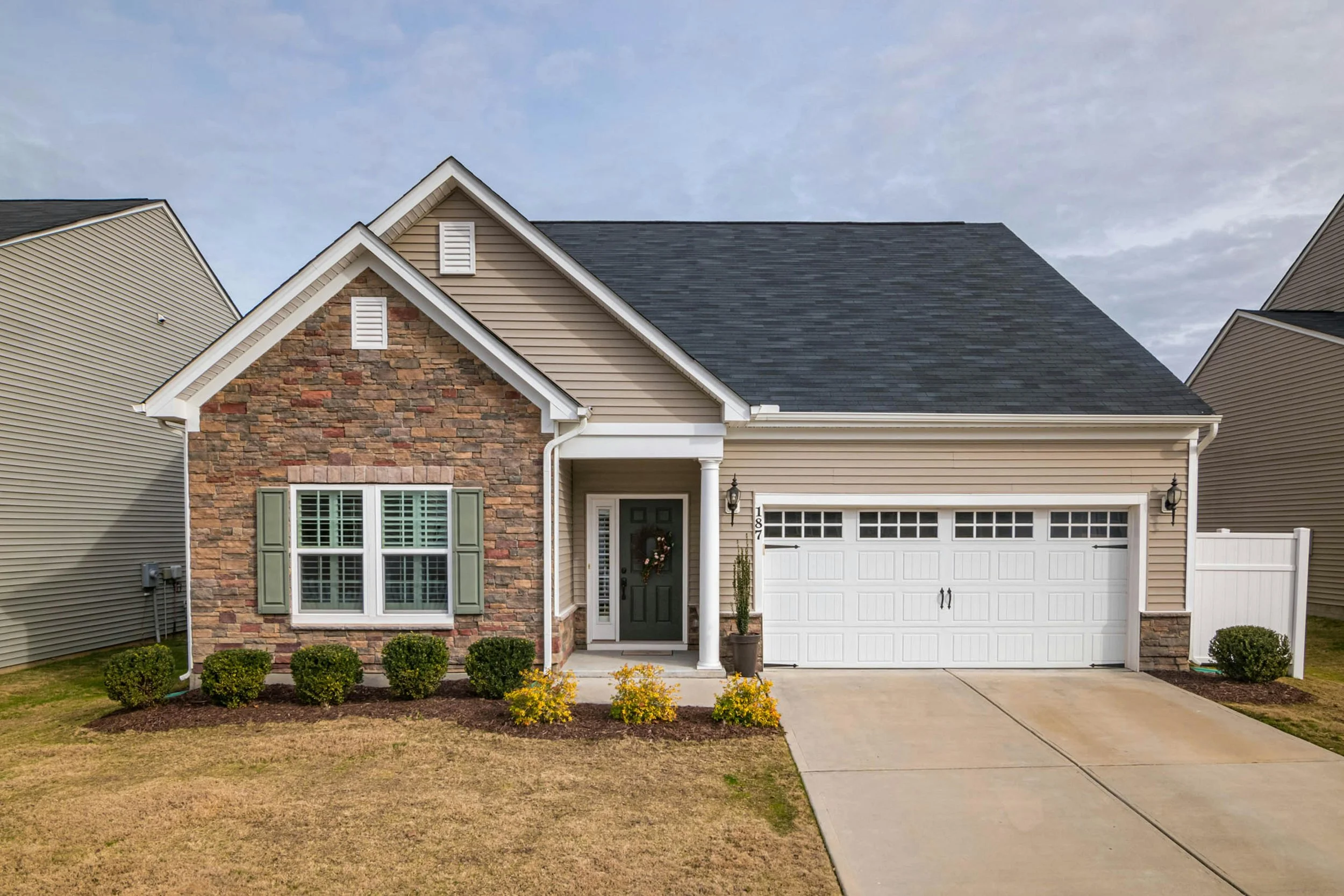
Who is responsible for repaving the parking lot and roads in an Ontario condo?
In most corporations the condominium corporation is responsible, because parking lots, internal roads and walkways are usually common elements. This is not legal advice, but generally speaking under Ontario law, section 90 (1) of the Condominium Act, 1998 says the corporation shall maintain the common elements, and section 90 (2) says that duty includes repair after normal wear and tear.
Your declaration can change that default. Section 91 of the Act lets a declaration shift maintenance duties, so some townhouse corporations make owners responsible for their own driveways, especially where a driveway is an exclusive use common element. Read the declaration before the board sets the scope, and ask your manager to confirm in writing which surfaces belong to the corporation. Vacant land communities often have the most road surface to look after, which we cover in Vacant Land Condo Management in London Ontario (https://sapphirecondomgmt.ca/vacant-land-condo-management-london-ontario).
How do we know it is time to repave instead of patching again?
Repave when repeated repairs, a professional condition review and the reserve fund study all point the same way, not when one bad pothole makes the board nervous. An engineer or paving consultant can look at the surface, the base underneath and the drainage, and tell the board whether crack sealing, a partial repair or full replacement is the better route.
Ask your manager for these items before the board debates scope:
• The repair history for the paved areas, including each patch, crack seal and trip hazard report
• The paving lines of the latest reserve fund study and their expected replacement years
• Any notes on drainage, catch basins or standing water, since water under the asphalt shortens its life
• Insurer comments or incident reports about trip hazards on walkways or curbs
• A written scope from an independent consultant, not only from a paving contractor
Boards that use Sapphire Condominium Management for vendor coordination in London and Sarnia get this information pulled together before the vote, so paving becomes a scheduled decision and not a reaction to complaints.
How does the reserve fund pay for a condo paving project?
The reserve fund exists for this kind of work. Section 93 (2) of the Condominium Act, 1998 says the reserve fund shall be used solely for major repair and replacement of the common elements and assets of the corporation, and section 95 (2) says the board does not need owner consent to spend from it. Routine crack sealing and small patches are usually paid from the operating budget instead.
The harder question is whether the fund is ready. Section 94 (1) requires periodic reserve fund studies, and section 94 (8) requires the board to review a study and propose a funding plan within 120 days of receiving it. Paving is often split into phases in a study, so check which phase is due and whether the contributions have kept up. Our guide Reserve Fund Studies in Ontario: A Board's Guide (https://sapphirecondomgmt.ca/reserve-fund-study-ontario-condo-board-guide) explains how to read one.
If you would like a second opinion on how your reserve fund and financial statements line up with a paving project, you can request a free financial review on us.
How should a board scope, tender and schedule paving work?
Have an independent consultant write the specification first, then tender the same scope to several qualified paving contractors so the bids can be compared line by line. When each contractor writes its own scope, the quotes cover different depths, base repairs and drainage work, and the board cannot compare them fairly.
A sound tender package for a London or Sarnia property usually includes:
• The consultant's written scope, site plan and material specification, including base repairs and drainage
• Proof of insurance and WSIB clearance from each bidder
• Warranty terms in writing, and who stands behind the work
• A phasing plan that keeps owners able to reach their homes and park during the work
• A clear process for changes once the old surface is removed and the base is exposed
Late fall and winter are a practical time to do the paperwork, so the board can award the contract and book a spring or summer start instead of rushing. Your manager should run the tender and bring the board a plain comparison. See Comparing Condo Contractor Quotes in Ontario (https://sapphirecondomgmt.ca/condo-contractor-quotes-invoices-ontario) for how to read the bids.
What does the Construction Act mean for paying the paving contractor?
It sets the payment rules, so build them into the contract. This is not legal advice, but generally speaking a condominium corporation that hires a contractor for a capital repair is an owner under the Construction Act, R.S.O. 1990, c. C.30. Section 22 (1) of that Act requires the payer to retain a holdback equal to 10 per cent of the price of the services or materials as they are supplied, until the lien period has expired or the liens are dealt with.
The prompt payment rules also apply. Section 6.4 (1) says an owner shall pay a proper invoice no later than 28 days after receiving it, and section 6.4 (2) says an owner who disputes an invoice must give a notice of non-payment within 14 days. That means your manager needs a clear sign-off process with the consultant before the first invoice arrives. Ask your condo lawyer to review the contract, and see Hiring Contractors for Your Condo Corporation (https://sapphirecondomgmt.ca/hiring-contractors-condo-corporation-ontario) for the wider checklist.
Does a paving project need owner notice or a vote?
Usually a like-for-like replacement does not. Section 97 (1) of the Condominium Act, 1998 says that when the corporation repairs or maintains the common elements using materials as reasonably close in quality to the original as is appropriate under current construction standards, the work is deemed not to be an addition, alteration or improvement.
Adding something new is different. This is not legal advice, but generally speaking under Ontario law, if the board adds new parking spaces, paves a gravel area or changes the layout, section 97 (3) can require a notice to owners describing the work, its estimated cost and how it will be paid. Even when no notice is required, tell owners early about dates, parking moves and car removal, because a short plain update prevents most complaints.
Frequently Asked Questions
Q: Who pays to repave a condo parking lot in London Ontario?
A: Usually the corporation, through the reserve fund, because section 90 (1) of the Condominium Act, 1998 makes the corporation responsible for the common elements and section 93 (2) limits the reserve fund to major repair and replacement. Your declaration can change that under section 91. This is not legal advice.
Q: When should a condo board start planning a paving project?
A: Start when the reserve fund study puts a paving phase within a few years or when patching starts to repeat. A consultant scope, a funding check under section 94 and a tender take time, so planning over the winter lets London and Sarnia boards book the work for the warmer months.
Q: Does a condo corporation have to hold back money from a paving contractor?
A: Generally yes. Section 22 (1) of the Construction Act requires a holdback equal to 10 per cent of the value of the work as it is supplied, and section 6.4 sets the payment and dispute deadlines for proper invoices. Have your condo lawyer confirm the terms. This is not legal advice.
Related Reading
→ Comparing Condo Contractor Quotes in Ontario
→ Hiring Contractors for Your Condo Corporation: What Ontario Boards Need to Know