
Condo Board Meetings in Ontario: What Boards Should Expect From Professional Management
(From a Condominium Management Expert)
Practical Guidance for Smarter Governance in London & Sarnia, Ontario
Most board members can describe a bad condo board meeting without much effort. The package arrived the night before, the agenda drifted, two decisions were deferred again, and everyone left tired. When that pattern repeats, the problem is usually not the board. It is the support behind it.
Board meetings are where your corporation actually makes its decisions, so the quality of those meetings sets the quality of everything else your corporation does. This article walks through what a properly run meeting looks like before, during, and after it happens, so your board can measure what it currently receives against a clear standard.
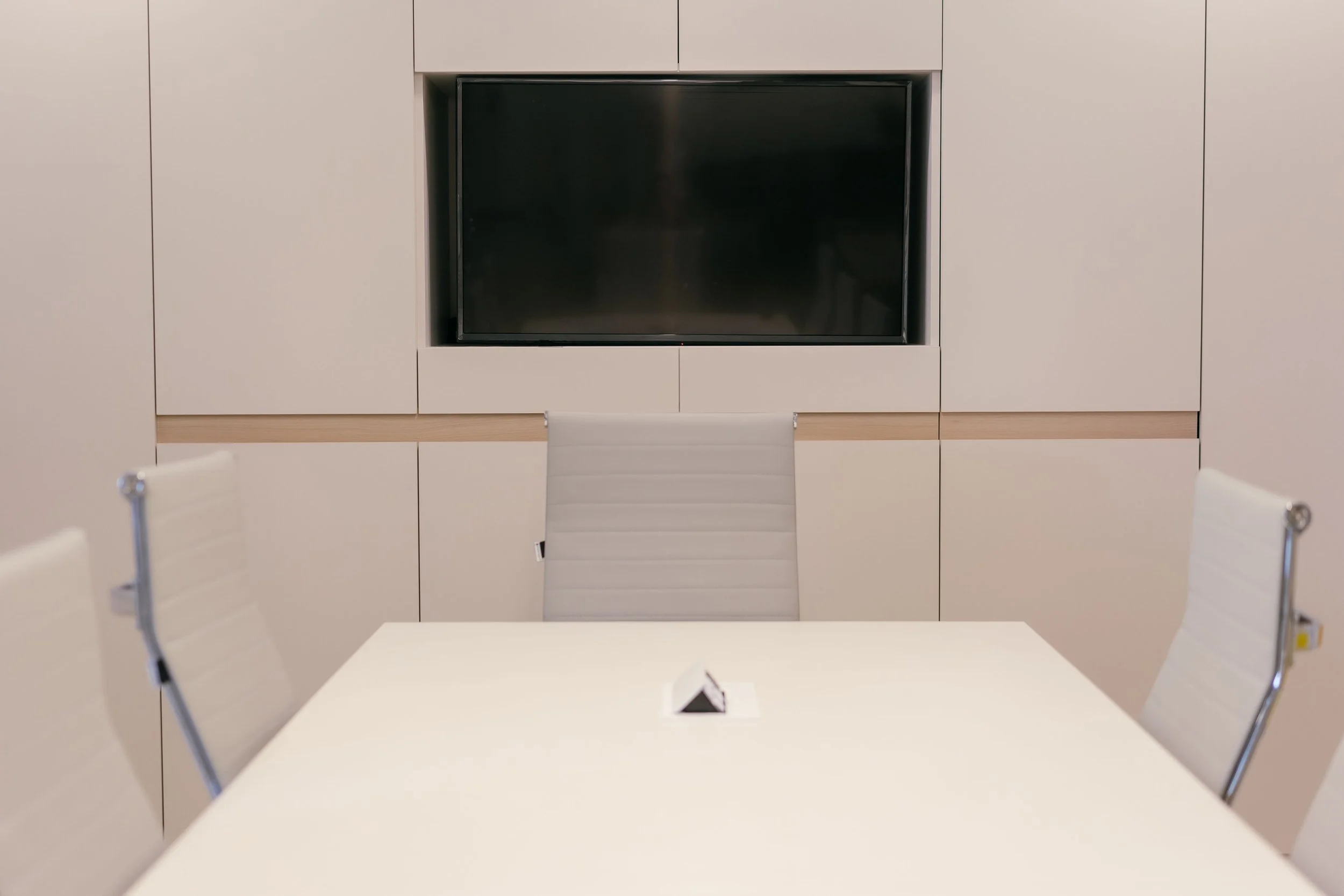
What Should Happen Before a Condo Board Meeting
A well-run condo board meeting is mostly decided before anyone sits down at the table or joins the call. This is not legal advice, but generally speaking under Ontario law, directors must receive notice of a board meeting at least 10 days in advance, including the time, format, and the topics to be discussed or voted on, unless your by-laws set out something different. That notice requirement is the legal floor. Professional preparation goes well beyond it.
Your management company should build the agenda with the board president rather than producing one at the last minute, and the supporting package should arrive early enough that directors can actually read it. Boards working with Sapphire receive their meeting package days in advance, with financials reconciled and vendor quotes summarized, because a director who reads a clear package on Tuesday makes a better decision on Thursday. Strong condo corp management shows up in this kind of routine discipline more than anywhere else.
A complete pre-meeting package should include:
• Financial statements for the period, reconciled and presented in plain language
• A status update on every open action item from the previous meeting
• Vendor quotes with the manager’s comparison and a clear recommendation
• Owner correspondence or issues that require a board decision
• Draft minutes from the previous meeting, ready for approval
During the Meeting: Quorum, Decisions, and the Manager’s Role
The Condominium Act requires corporation business to be decided at board meetings where quorum is met, meaning more than half of your directors are present, in person or virtually. Decisions are not supposed to happen between meetings or over email. A capable manager protects the board on this point, because scattered email decisions are one of the most common governance gaps that surface when a corporation changes management companies.
During the meeting itself, your manager should be doing visible work: presenting the management report, answering director questions with specifics rather than promises to follow up, flagging items that carry legal or financial risk, and helping the chair keep discussion on the agenda. If your manager attends meetings mostly as a notetaker, your board is absorbing work it is already paying someone to do.
[INTERNAL LINK 1] Board meetings and owners’ meetings follow different rules, and both deserve the same preparation standard. For the owner-facing side, read our guide: How to Prepare Your Condo’s Annual General Meeting (AGM) → https://sapphirecondomgmt.ca/how-to-prepare-for-your-annual-meeting
Minutes and Follow-Through Separate Strong Management From Average
The Condominium Authority of Ontario advises that minutes record the date, attendees, votes and motions, and a concise overview of discussions and decisions, including the rationale behind them. Owners are entitled to request minutes, so they need to be accurate, professional, and properly redacted where the Act allows confidentiality, such as matters involving litigation or specific unit owners.
Follow-through is where the difference between management companies becomes measurable. Every decision made at the meeting should turn into an action item with a named owner and a date, and the next meeting should open with a status report on each one. If your board keeps re-discussing the same items quarter after quarter, that is not a board problem. It is a management gap.
[INTERNAL LINK 2] Meeting follow-through and reporting go hand in hand. For what should land in your inbox between meetings, read our guide: What Your Condo Management Company Should Be Reporting to You Monthly → https://sapphirecondomgmt.ca/condo-management-monthly-reports-board-should-receive-ontario
Measuring Your Current Meetings Against the Standard
Boards comparing condo management in London Ontario or condo management in Sarnia Ontario often discover they have simply gotten used to a low standard, because nothing ever gave them a point of comparison. Use your next three meetings as a test and score them honestly against these questions:
• Did the full package arrive several days before the meeting, or the night before?
• Did the manager present and advise, or just attend and take notes?
• Were action items from the last meeting reported on without anyone having to ask?
• Did any decision happen over email that should have waited for the meeting?
• Were accurate draft minutes circulated promptly afterward?
Every condo manager in Ontario must be licensed by the Condominium Management Regulatory Authority of Ontario, and that licence carries real obligations around competence and disclosure. Meeting conduct is one of the clearest places to see whether your provider treats those obligations as a baseline or a ceiling. At Sapphire, we find that boards who start scoring their meetings this way figure out within a quarter whether their current provider is performing or coasting.
Financial reporting is the meeting item where weak management hides most easily. If your board would like a second opinion on its financial statements, you can get a free financial review on us at https://sapphirecondomgmt.ca/financial-review-on-us/ and bring the findings to your next meeting.
[INTERNAL LINK 3] To turn this meeting test into a full scorecard for your provider, read our guide: How to Benchmark Your Condo Management Company → https://sapphirecondomgmt.ca/how-to-benchmark-your-condo-management-company-ontario
Frequently Asked Questions
Q: How often should a condo board meet in Ontario?
A: The Condominium Act does not set a required frequency. Most boards meet monthly or every other month, and the Condominium Authority of Ontario notes that monthly is common. The right rhythm depends on your corporation’s size and activity, but if your management company nudges you toward fewer meetings because preparation seems to be a burden for them, treat that as a warning sign rather than a convenience.
Q: What is a condo manager supposed to do at a board meeting?
A: Prepare and circulate the package in advance, present the management and financial reports, answer director questions with specifics, flag legal and financial risk, record decisions as action items, and deliver timely draft minutes. Self-managed corporations cover this work through volunteer directors, which can suit some very small buildings, but carrying that load is precisely what professional management exists to do.
Q: How do we know if our condo management company in London Ontario is running our meetings properly?
A: Score a few consecutive meetings on package timing, the quality of the manager’s reporting, follow-through on action items, and how quickly accurate minutes arrive. Boards in London and Sarnia that run this test for a quarter usually know the answer. If the gaps are consistent, raise them in writing with your provider and watch closely whether anything actually changes.
Related Reading
→ How to Prepare Your Condo’s Annual General Meeting (AGM)
→ What Your Condo Management Company Should be Reporting to You Monthly