
Condo Building Maintenance in Ontario: What Every Board Member Should Know
(From a Condominium Management Expert)
Practical Guidance for Smarter Governance in London & Sarnia, Ontario
Running a condo building in Ontario means more than managing complaints and collecting fees. One of the most critical responsibilities a board carries is overseeing the physical condition of the property, and without a clear plan, maintenance costs have a habit of quietly becoming emergencies.
Whether you serve on a board in London, Sarnia, or anywhere in southwestern Ontario, a proactive approach to condo building maintenance is one of the highest-return things you can do for your owners, your reserve fund, and your long-term credibility as a board. This guide covers the seasonal cycle, the critical systems that need scheduled attention, and how to build a maintenance calendar that holds up over time.
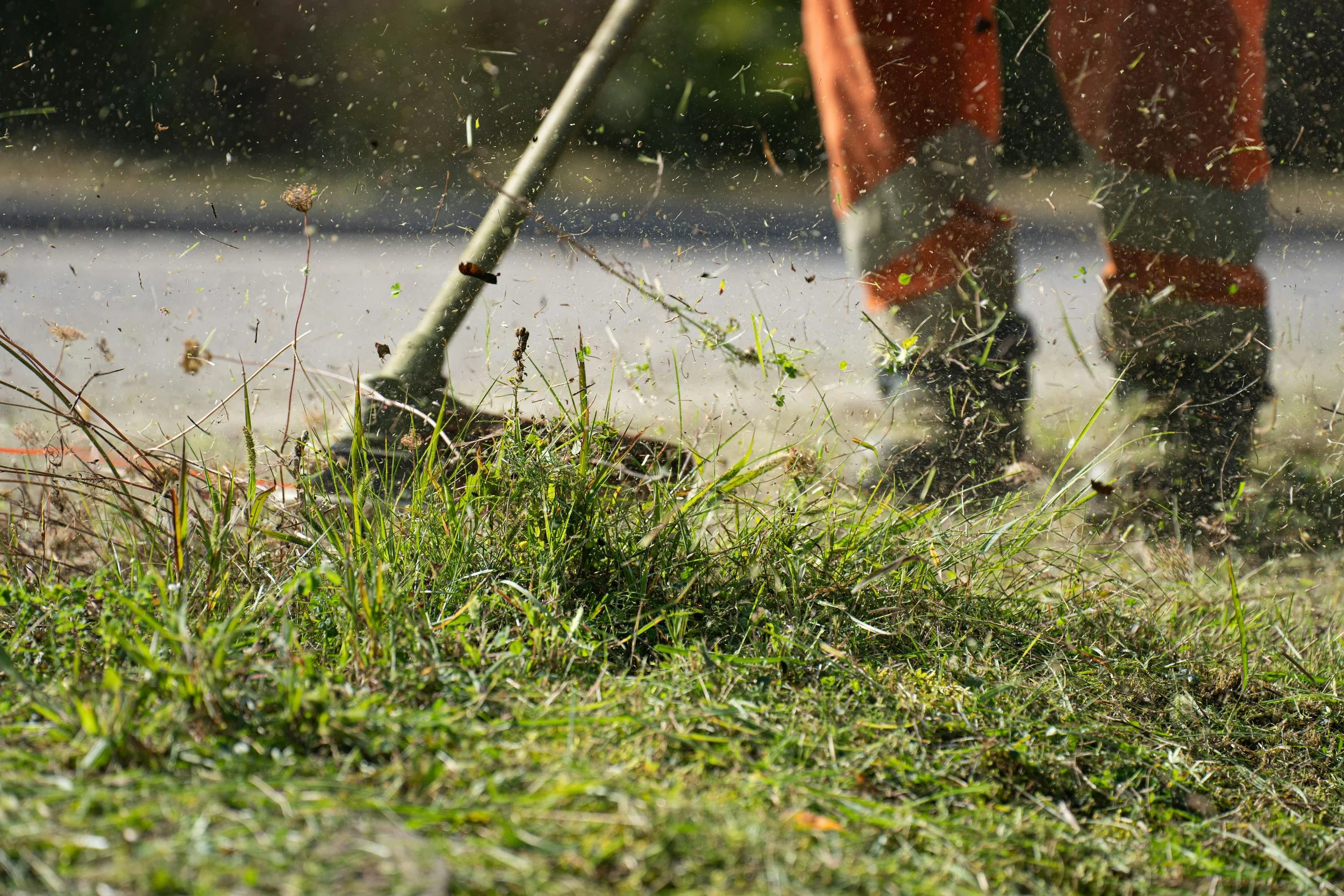
Why Proactive Maintenance Saves Ontario Condo Boards Money
Every experienced condo manager will tell you the same thing: deferred maintenance is always more expensive than planned maintenance. A $500 HVAC filter replacement done on schedule prevents a $15,000 compressor failure. A cracked concrete slab repaired in the fall stays a $2,000 repair. Left through a London Ontario winter, that same crack can become a $20,000 structural fix once the freeze-thaw cycle does its work.
Proactive maintenance also has a direct relationship with your reserve fund. The Condominium Act, 1998 requires Ontario condo corporations to maintain a reserve fund adequate to cover major repairs and replacements. When buildings are properly maintained, reserve fund studies reflect realistic replacement costs, and boards avoid the kind of underfunded shortfall that leads to special assessments and frustrated owners.
Beyond cost, well-maintained buildings hold their value. London Ontario condo owners are increasingly aware of the connection between building condition and resale prices. A board that documents its maintenance, stays on top of systems, and communicates transparently builds the kind of owner trust that pays dividends at every AGM.
For more on how maintenance spending connects to your long-term funding obligations, read our guide: Reserve Fund Studies in Ontario Condo Boards
Seasonal Maintenance Priorities for Ontario Condo Boards
Ontario's climate demands a seasonal approach to building care. Each season brings specific risks and tasks that, done on time, protect the building and reduce the chance of emergency calls.
Spring (April to June)
Spring is inspection season. After a London Ontario winter, boards should assess what the freeze-thaw cycle has done to the building envelope, parking structures, and common areas:
• Inspect roofing for winter damage, lifted flashing, and pooling areas
• Check caulking and sealants around windows, doors, and exterior penetrations
• Inspect concrete in parking garages and driveways for new cracking
• Test air conditioning and cooling equipment before summer demand season begins
• Flush and restart irrigation systems
Fall (September to November)
Fall preparation is the most important season for Ontario buildings. Getting ahead of winter is far less expensive than reacting to it:
• Service boilers and heating systems before the heating season begins
• Inspect and clean gutters and downspouts before leaf fall creates blockages
• Drain and shut off exterior water connections
• Check weather stripping on all building entry doors
• Confirm winter maintenance contracts (snow removal, salting) and lock in pricing
Winter (December to March)
Winter maintenance is largely reactive, but boards can reduce surprises through preparation: monitor flat roofs for ice dam formation and excessive snow load, respond promptly to any heating system faults, and document winter events that will inform your spring inspection list.
Building Systems That Need Scheduled Attention
Beyond the seasonal cycle, several critical building systems require scheduled maintenance regardless of time of year. Boards should ensure these are on a defined service calendar, not just addressed when they fail.
HVAC Systems
Heating and cooling systems are among the most complex and expensive in any condo building. Filter changes, coil cleaning, duct inspections, and refrigerant checks should all follow manufacturer-recommended schedules. This is not legal advice, but generally speaking under Ontario law, building owners have an obligation to maintain heating systems in a state of good repair and ensure adequate heat within living spaces under applicable property standards bylaws and the Residential Tenancies Act.
Elevators
Ontario's Technical Standards and Safety Authority (TSSA) mandates regular elevator inspections and maintenance. Boards cannot defer this. Failure to maintain TSSA compliance can result in mandatory elevator shutdowns, which are disruptive, costly, and a legal liability for the corporation.
For a full breakdown of what Ontario boards are required to do, read our guide: Elevator Maintenance Requirements for Ontario Condo Boards
Fire Safety Systems
Fire alarm systems, sprinklers, emergency lighting, and fire doors all require inspection and testing under the Ontario Fire Code. This is not legal advice, but generally speaking under Ontario law, compliance is mandatory for condo corporations and non-compliance can result in orders and fines from the Office of the Fire Marshal.
For a detailed overview of fire code obligations for condo boards, see: Ontario Fire Code 2026: Condominium Boards Must Know
Building Envelope
The building envelope (roof, exterior walls, windows, and doors) is your primary defense against water infiltration, which is one of the most common and costly issues in Ontario condo buildings. Annual visual inspections by a qualified contractor, with more detailed assessments every five to ten years, are considered sound practice by most building consultants.
How to Build a Maintenance Calendar Your Board Will Actually Use
A good maintenance calendar is not a spreadsheet you fill out once and forget. It is a living document that captures scheduled service contracts, vendor contacts, warranty expiry dates, and outstanding work items. Here is a practical framework boards in London and Sarnia can adapt:
Monthly:
• Inspect common areas for safety hazards and report deficiencies
• Review work order logs and outstanding maintenance items
• Check mechanical room readings (boiler pressure, water temperature, etc.)
Quarterly:
• Test fire alarm systems and document results
• Inspect garage areas for concrete deterioration and drainage
• Review landscaping condition and exterior lighting function
Annually:
• Full building envelope inspection
• HVAC seasonal service (spring and fall)
• Elevator inspection per TSSA schedule
• Reserve fund status review against actual maintenance expenditures
• Review all service contracts and vendor performance
Every 3 years:
• Reserve fund study update (required under the Condominium Act, 1998)
• Consider thermographic or building envelope diagnostic testing
At Sapphire, boards in London and Sarnia use a shared maintenance calendar as part of their management agreement, so nothing falls through the cracks between board member turnover or management transitions.
Frequently Asked Questions
Q: How often should a condo building in Ontario have its HVAC system serviced?
A: Most commercial HVAC manufacturers and building consultants recommend a full service inspection at least twice a year: once in spring before the cooling season and once in fall before the heating season. Some systems require monthly filter checks depending on unit type and usage. Boards should request service records from their contractor and keep copies on file as part of their building documentation.
Q: Who is responsible for building maintenance in an Ontario condo, the board or the management company?
A: The board of directors is legally responsible for maintaining common elements and ensuring the building is in a state of good repair under the Condominium Act, 1998. A condo management company facilitates that work by coordinating contractors, tracking service schedules, and advising the board, but the legal obligation rests with the board. A good management partner makes that responsibility much more manageable.
Q: What happens if an Ontario condo board in London or Sarnia ignores building maintenance?
A: This is not legal advice, but generally speaking under Ontario law, condo corporations that fail to maintain common elements in a state of good repair can face complaints to the Condominium Authority of Ontario (CAO), court applications, and orders requiring the work to be done. Beyond legal consequences, deferred maintenance compounds costs, accelerates capital deterioration, and can trigger special assessments that damage owner relationships and board credibility.
Related Reading
→ Reserve Fund Studies in Ontario Condo Boards
→ Elevator Maintenance Requirements for Ontario Condo Boards