
Condo HVAC Responsibility in Ontario: What Boards Should Know
(From a Condominium Management Expert)
Practical Guidance for Smarter Governance in London & Sarnia, Ontario
An owner calls in the middle of January because the heat in their unit has quit, and they want to know why the corporation is not already sending someone. Before anyone agrees to anything, the board needs a clear answer to one question: in an Ontario condo, who is actually responsible for the HVAC equipment that heats and cools each unit?
The answer is not the same in every building, and getting it wrong is expensive. This guide explains how heating and cooling responsibility is divided under the Condominium Act, 1998, how your declaration changes the default, and what a well-run management process looks like, so your board can respond with confidence instead of guesswork the next time a unit goes cold.
Who Is Responsible for HVAC in an Ontario Condo?
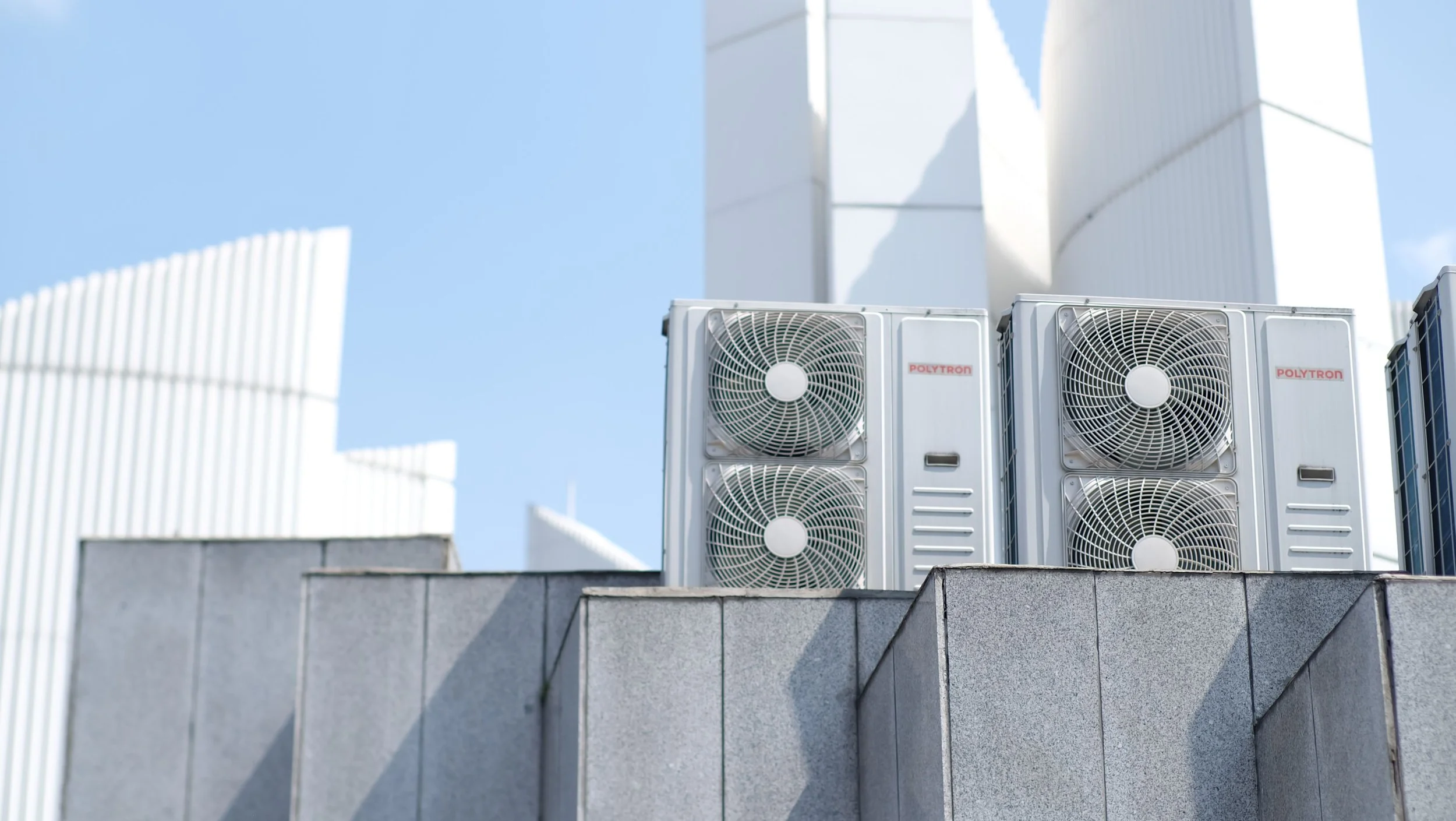
In most Ontario condos, the corporation maintains and repairs the building's shared HVAC systems, while each owner is responsible for the heating and cooling equipment that sits inside their unit and serves only that unit. The deciding factor is whether a given piece of equipment is a common element or part of the unit, and that line is drawn in your declaration, not by whoever is most upset on the phone.
The Condominium Act, 1998 sets the default. Section 90 states that the corporation maintains the common elements and each owner maintains their own unit, and the duty to maintain includes repairing normal wear and tear. Section 89 adds a separate duty: the corporation must repair both units and common elements after damage, unless the declaration says otherwise. A heating or cooling failure can trigger either rule, which is exactly where boards get tripped up.
A typical split in a London Ontario condo looks like this:
• Central boilers, chillers, cooling towers, and shared rooftop units that serve the whole building are common elements, so the corporation maintains, repairs, and eventually replaces them.
• A furnace, heat pump, fan coil, air handler, thermostat, or section of ductwork located inside the unit and serving only that unit is normally the owner's responsibility.
• Equipment that sits outside the unit but serves a single unit, such as a condenser on a balcony, is often a grey area decided by the declaration.
Common Element, Exclusive-Use, or Unit: Where Does Your Equipment Fall?
HVAC equipment in a condo falls into one of three categories, and each one carries a different responsibility. Sorting your equipment into the right bucket is the single most useful thing a board can do before a dispute ever starts.
The three categories work like this:
• Common elements: the central plant and any system shared by multiple units. The corporation owns, maintains, repairs, and replaces these through the operating and reserve funds.
• Exclusive-use or limited common elements: a device or area outside the unit that serves only one unit, such as a rooftop condenser or a balcony heat pump. The declaration decides who maintains it and who pays.
• Unit elements: the equipment inside the unit boundary that serves only that unit. This is almost always the owner's cost.
Most heating and cooling arguments come down to a board and an owner placing the same piece of equipment in different buckets. A documented responsibility matrix settles that in seconds instead of weeks.
For a broader view of how repair duties are divided between owners and the corporation, read our guide: Who is Responsible for Condo Repairs in Ontario?
What Your Declaration and Standard Unit Bylaw Actually Decide
Your declaration is the controlling document, and it can shift HVAC responsibility in either direction. This is why two condo corporations on the same street in Sarnia Ontario can divide furnace and fan coil costs in completely opposite ways. Never assume the building down the road sets your rule.
A Standard Unit Bylaw matters here too. It defines the baseline unit the corporation is obligated to repair after damage, usually the equipment and finishes the builder originally installed. If an owner upgraded to a high-efficiency heat pump after closing, that improvement is generally theirs to insure and replace.
This is not legal advice, but generally speaking under Ontario law, Section 89's duty to repair after damage does not extend to improvements an owner has made to their unit. Boards that read their declaration and standard unit bylaw before an emergency, rather than during one, avoid most HVAC cost fights entirely.
Because HVAC failures and plumbing failures often overlap inside a unit, it helps to read this alongside our guide: Condo Plumbing Responsibility in Ontario: A Board Guide.
When HVAC Fails: Damage vs. Wear and Tear, and Who Pays
The most expensive HVAC disputes are not about the broken unit itself, they are about the damage it causes. A failed condensate line on an in-suite air conditioner, a cracked heat exchanger, or a leaking fan coil can soak the unit below and reach the common elements. At that moment, two different rules apply at the same time.
Under Section 90, repairing the worn-out equipment is a maintenance issue, and for a unit element that usually lands on the owner. Under Section 89, repairing the resulting water damage to other units and common elements is the corporation's duty after damage, which then brings the corporation's insurance, the deductible, and possibly a chargeback into the picture. Knowing which rule covers which cost is what keeps a single failure from turning into a long board-versus-owner standoff.
We cover the damage side of these incidents in detail here: Water Damage in Ontario Condos: Who Is Responsible?
What Good Management Does With HVAC Responsibility
Strong management removes the guesswork before the furnace quits in January. A capable condo management company keeps a written maintenance-responsibility matrix tied to your declaration, services common HVAC on a preventive schedule, tracks the age of major equipment, and funds replacement through the reserve fund study rather than through surprise special assessments.
If your current management company cannot tell you, quickly and in writing, who is responsible for the heat pump in unit 304 or when the rooftop units are next due for service, that is a gap worth addressing. London Ontario boards working with Sapphire find that a clear responsibility matrix and a proactive servicing schedule prevent the emergencies that quietly drain an operating budget. That is simply what good condominium management in London and Sarnia Ontario should look like, and it is what your board has every right to expect.
At Sapphire, we also offer a free second opinion. If you would like another set of eyes on your reserve fund and financial statements, you can request a financial review on us. Good condo corp management is not about reacting faster. It is about never being surprised.
Frequently Asked Questions
Q: Who is responsible for HVAC repairs in an Ontario condo?
A: In most Ontario condos, owners are responsible for heating and cooling equipment located inside their unit and serving only that unit, while the corporation maintains the shared, common-element systems. Your declaration is the final word, so always confirm how your specific building defines the unit boundary before assigning a repair cost.
Q: Does the condo corporation pay to replace my furnace or fan coil?
A: Usually not, if the furnace or fan coil sits inside your unit and serves only your unit. Replacing worn-out in-suite equipment is normally the owner's cost under the Condominium Act, 1998. The corporation typically pays only for common HVAC systems, or where your declaration specifically assigns that equipment to the corporation.
Q: Who pays when a unit's air conditioner leaks and damages the unit below?
A: This is not legal advice, but generally speaking under Ontario law, the owner is responsible for the failed in-suite equipment, while the corporation has a duty under Section 89 to repair the resulting damage to other units and common elements. The corporation's insurance, its deductible, and any chargeback provisions then determine who ultimately absorbs the cost.
Related Reading
→ Who is Responsible for Condo Repairs in Ontario?