
Vacant Land Condo Rules in London Ontario: What Boards Should Set Early
(From a Condominium Management Expert)
Practical Guidance for Smarter Governance in London & Sarnia, Ontario
A newer vacant land condo in London Ontario often starts with thin rules. Owners park on the private road, a dog runs off-leash near the storm pond, and someone plants a tall hedge that blocks a sightline. The board already has a manager, yet the package still lacks clear wording on parking, dogs, trees and exterior changes.
Vacant land condo rules are not the same job as high-rise visitor parking alone. This guide covers what section 58 of the Condominium Act, 1998 lets a board regulate, how to draft parking and pet rules for a land parcel community, how trees and exterior changes sit against the declaration, and what belongs in the notice package. For the wider vacant land service picture, read Vacant Land Condo Management in London Ontario (https://sapphirecondomgmt.ca/vacant-land-condo-management-london-ontario).
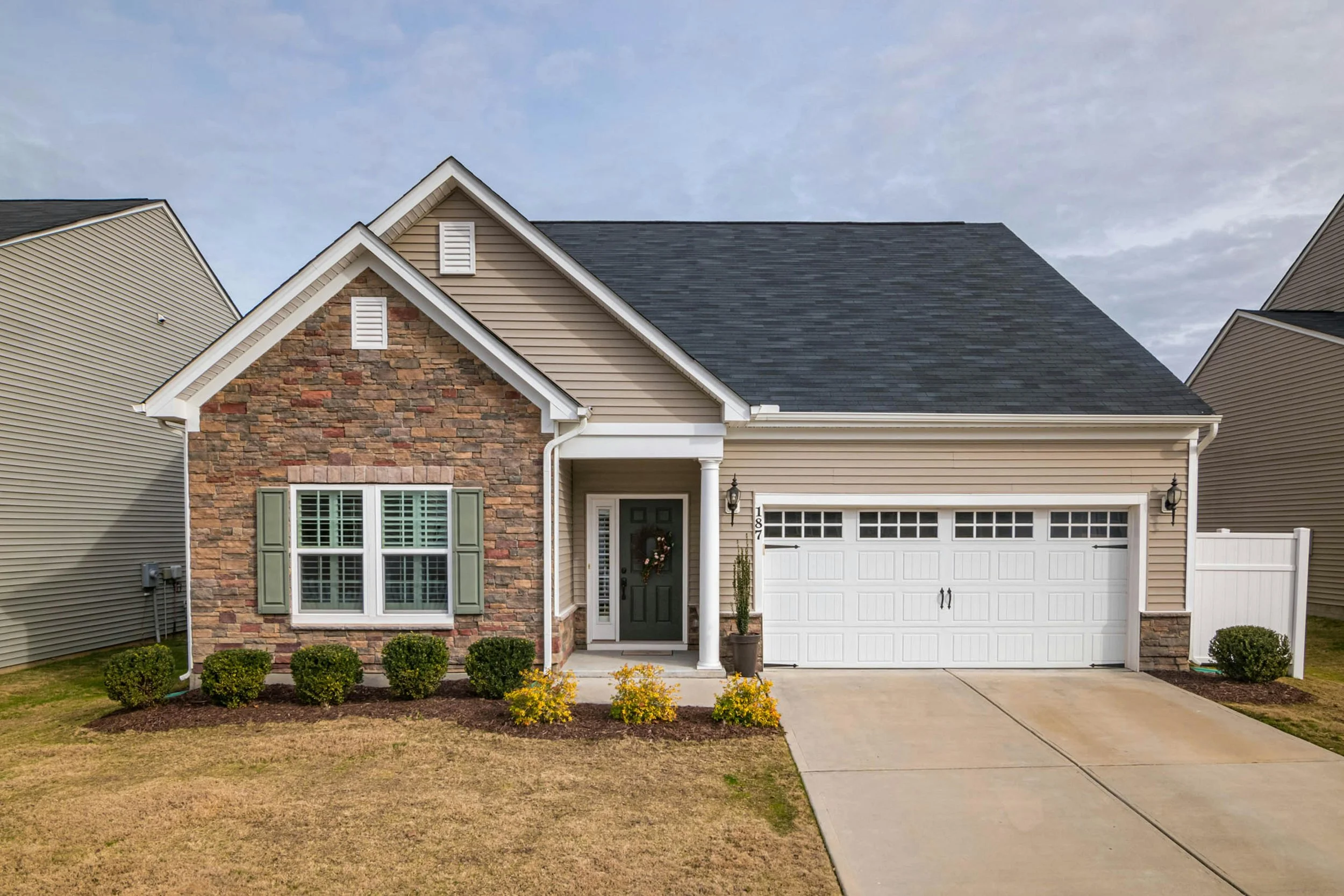
What can a vacant land condo board put in its rules under Ontario law?
This is not legal advice, but generally speaking under Ontario law, section 58 (1) of the Condominium Act, 1998 lets the board make, amend or repeal rules respecting the use of the units, the common elements or the assets of the corporation to promote safety, security or welfare, or to prevent unreasonable interference with use and enjoyment. Section 58 (2) says those rules must be reasonable and consistent with the Act, the declaration and the by-laws.
Section 155 (4) of the Condominium Act, 1998 applies Parts I to IX and XIV to a vacant land condominium corporation with necessary modifications, so the section 58 process applies there too. A newer London board should treat rules as the day-to-day layer for parking, pets, landscaping behaviour and shared-road use, while heavier building and appearance controls may already live in the declaration. Condo corp management that understands vacant land will map each draft rule to that purpose test before the board votes.
How should a newer vacant land board handle parking rules?
Start with the shared roads and common-element pads first, then say what is allowed on each unit driveway. In a vacant land plan, conflict often sits on private streets, visitor pads and snow-clearing routes, not only deeded indoor stalls.
A practical vacant land parking rule set usually covers:
• Who may use visitor or overflow pads, and for how long
• Where commercial, recreational or oversized vehicles may wait, if at all
• No parking that blocks ploughing, drainage, hydrants or emergency access
• How trailers, boats and contractor vehicles are handled during builds
• How warnings are documented before tow or chargeback steps
This article is about the vacant land rules set as a whole, not visitor towing alone. For the broader Ontario parking framework, our guide Condo Parking Rules in Ontario: Visitors, Towing and Fines (https://sapphirecondomgmt.ca/condo-parking-rules-ontario-board-guide) walks through that detail. Condo management in London Ontario earns trust when the parking draft matches the actual road plan and snow contract. Boards with condominium management in Sarnia Ontario should see the same site-specific rewrite.
What about dogs and other pets in a vacant land condo?
Pet friction in a vacant land community usually shows up on shared paths, ponds and front yards, not in hallways. A clear rule is still useful even when lots feel private.
A useful pet rule for a newer vacant land board typically states:
• Which animals are allowed, and any reasonable size or number limits that fit the declaration
• Leash and control expectations on common elements
• Waste clean-up on roads, paths and shared green space
• Nuisance language tied to unreasonable interference under section 58 (1)
• How complaints are logged so enforcement stays even-handed
This is not legal advice, but generally speaking under Ontario law, section 58 (2) of the Condominium Act, 1998 still requires pet rules to be reasonable and consistent with the Act, the declaration and the by-laws. A blanket ban that clashes with the declaration will not hold. Sapphire Condominium Management helps London and Sarnia vacant land boards turn pet complaints into clear rule language and a notice package.
How do trees, landscaping and exterior changes fit with vacant land rules?
Trees and exterior work sit in more than one document. Rules can limit use that interferes with neighbours or shared land. The declaration may already set appearance and construction standards for buildings on units.
This is not legal advice, but generally speaking under Ontario law, section 156 (1) of the Condominium Act, 1998 lets a vacant land declaration restrict size, location, construction standards, materials, appearance, architectural and design standards, construction timing, and minimum maintenance for a building or structure built on a unit after registration. Section 160 lets the board, subject to section 56, make by-laws specifying minimum maintenance for a unit or a building on a unit.
When an owner wants to change the common elements, section 98 (1) of the Condominium Act, 1998 sets board approval and a registered agreement before most additions, alterations or improvements proceed. Section 98 (2) creates a narrower path for exclusive-use common elements when the board is satisfied the change will not harm other units, create corporation expense, detract from appearance, affect structural integrity where relevant, or contravene the declaration. Tree work on common elements needs corporation approval and the section 98 path where it applies. Exterior changes to a home on a unit are checked first against the declaration under section 156. Owner alteration process is covered in Condo Owner Alterations to Common Elements in Ontario (https://sapphirecondomgmt.ca/condo-owner-alterations-common-elements-ontario).
If landscaping or exterior disputes are driving reserve questions later, you can request a free financial review on us.
How do new vacant land condo rules become effective, and what should management prepare?
A board vote is not enough. Owners must get proper notice, and the rule only becomes effective on the timing in the Act.
This is not legal advice, but generally speaking under Ontario law, section 58 (6) of the Condominium Act, 1998 requires the board, upon making, amending or repealing a rule, to give owners a notice with a copy of the rule, the proposed effective date, a statement that owners may requisition a meeting under section 46, and the text of section 46 and section 58. Under section 58 (7), if no requisition arrives within 30 days after notice, the rule is effective the day after that 30th day. If a requisition arrives in time, effectiveness turns on the meeting outcome in that subsection. Section 58 (8) blocks a rule with substantially the same purpose or effect as one owners amended or repealed in the preceding two years until owners approve it at a meeting. Section 58 (10) says people bound by the rules must comply, and rules may be enforced like by-laws.
What strong condominium management london ontario and condominium management sarnia ontario teams should put in front of directors:
• A redline of the proposed parking, pet, tree and exterior-use rules against the declaration and by-laws
• The exact section 58 (6) notice package, ready to send
• A calendar for the 30-day window and any meeting if owners requisition
• A short enforcement plan so the first complaints are handled the same way
• A note on which items belong in a rule, which need a section 160 by-law, and which sit in the declaration under section 156
Sapphire's job is to make that package readable for a London vacant land board and to stop a thin template from becoming an unenforceable fight. Directors still decide the content.
Frequently Asked Questions
Q: Can a vacant land condo board in London Ontario pass new parking or pet rules without an owner vote?
A: Usually yes at first, through the board under section 58 of the Condominium Act, 1998, with the notice package in section 58 (6). Owners can requisition a meeting under section 46 within 30 days. This is not legal advice; confirmation against your declaration still matters.
Q: Do vacant land condo rules cover trees and exterior changes on each lot?
A: Rules under section 58 can address use that interferes with others or with common elements. Building appearance and construction standards for homes on units often sit in the declaration under section 156 (1), and minimum maintenance can sit in a by-law under section 160. Common-element changes by owners follow section 98.
Q: When does a new vacant land condo rule take effect in Ontario?
A: Under section 58 (7) of the Condominium Act, 1998, if owners do not requisition a meeting within 30 days after notice, the rule is effective the day after that 30th day. If a requisition arrives in time, or if section 58 (8) applies because of a recent owner repeal, timing follows those subsections instead.
Related Reading
→ Vacant Land Condo Management in London Ontario
→ Condo Parking Rules in Ontario: Visitors, Towing and Fines