
Who Is Responsible for Windows, Doors, and Balconies in Your Ontario Condo?
(From a Condominium Management Expert)
Practical Guidance for Smarter Governance in London & Sarnia, Ontario
One owner emails the board insisting the corporation must replace their cracked balcony door. Another is certain that window repairs come straight out of their own pocket. A third wants to know if they can enclose their balcony with glazing — and whether the corporation will maintain it afterwards. If your board has ever been caught in the middle of a who-pays dispute over windows, doors, or balconies, you are far from alone.
Knowing who is responsible for windows, doors, and balconies in your Ontario condo is one of the most common sources of confusion boards face, and getting it wrong costs the corporation money and goodwill. This guide explains how the Condominium Act, 1998 and your declaration divide these duties — including the balcony glazing questions boards are asking more every year — so your board can answer owners with confidence and stop relitigating the same argument every season.
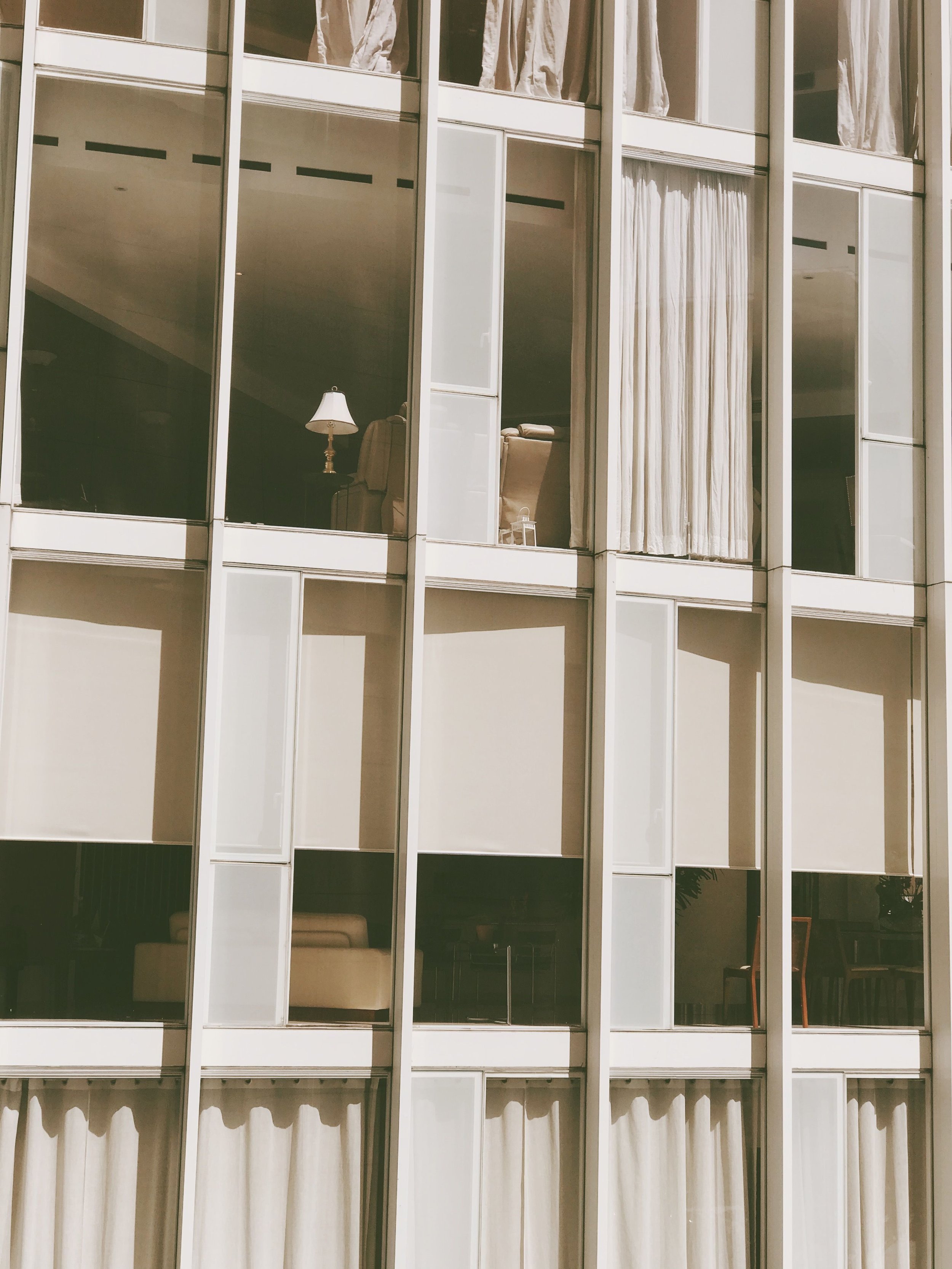
What Are Exclusive-Use Common Elements in an Ontario Condo?
Exclusive-use common elements are parts of the condominium that the corporation legally owns but that only one unit, or a small group of units, is allowed to use. Balconies, patios, terraces, a designated parking space, a storage locker, and in many buildings the windows and entry doors serving a single unit all fall into this category. They sit outside the boundaries of the unit you actually own on title, yet they are not shared the way the lobby, hallways, or elevators are.
The reason this matters is that responsibility does not follow who uses the space. It follows what the corporation's governing documents say. There is no single province-wide rule that makes every balcony or every window the owner's problem or the corporation's problem. The declaration registered for your specific corporation is the document that defines which elements are exclusive-use and who looks after them.
Who is Responsible for Windows, Doors, and Balconies in an Ontario Condo?
By default, the corporation is responsible for windows, doors, and balconies in an Ontario condo, because they are common elements, but your declaration can shift part of that duty onto individual owners. The Condominium Act, 1998 sets the baseline: section 90 requires the corporation to maintain the common elements, and section 89 requires it to repair them after damage. Maintenance, under the Act, includes repairing normal wear and tear.
Section 91 is the exception that creates most of the confusion. It allows the declaration to provide that owners maintain, and repair after damage, the exclusive-use common elements they benefit from. So one corporation's declaration may leave windows entirely with the corporation, while another makes owners responsible for the glass, the seals, or the balcony surface they use every day. This is not legal advice, but generally speaking under Ontario law, the only reliable way to know your building's split is to read the declaration rather than assume.
For a broader look at how repair duties are divided between owners and the corporation, read our guide: Who is Responsible for Condo Repairs in Ontario?
What Are Exclusive-Use Common Elements in an Ontario Condo?
Exclusive-use common elements are parts of the condominium that the corporation legally owns but that only one unit, or a small group of units, is allowed to use. Balconies, patios, terraces, a designated parking space, a storage locker, and in many buildings the windows and entry doors serving a single unit all fall into this category. They sit outside the boundaries of the unit you actually own on title, yet they are not shared the way the lobby, hallways, or elevators are.
The reason this matters is that responsibility does not follow who uses the space. It follows what the corporation's governing documents say. There is no single province-wide rule that makes every balcony or every window the owner's problem or the corporation's problem. The declaration registered for your specific corporation is the document that defines which elements are exclusive-use and who looks after them.
Who is Responsible for Windows, Doors, and Balconies in an Ontario Condo?
By default, the corporation is responsible for windows, doors, and balconies in an Ontario condo, because they are common elements, but your declaration can shift part of that duty onto individual owners. The Condominium Act, 1998 sets the baseline: section 90 requires the corporation to maintain the common elements, and section 89 requires it to repair them after damage. Maintenance, under the Act, includes repairing normal wear and tear.
Section 91 is the exception that creates most of the confusion. It allows the declaration to provide that owners maintain, and repair after damage, the exclusive-use common elements they benefit from. So one corporation's declaration may leave windows entirely with the corporation, while another makes owners responsible for the glass, the seals, or the balcony surface they use every day. This is not legal advice, but generally speaking under Ontario law, the only reliable way to know your building's split is to read the declaration rather than assume.
For a broader look at how repair duties are divided between owners and the corporation, read our guide: Who is Responsible for Condo Repairs in Ontario?
Maintenance, Repair, and Replacement Are Not the Same Thing
The biggest reason boards get these disputes wrong is treating maintenance, repair, and replacement as one bucket. The Condominium Act treats them differently, and so should your board.
• Maintenance is routine upkeep and the repair of normal wear and tear, such as cleaning a balcony drain or re-sealing a window. The default sits with the corporation unless the declaration assigns it to owners.
• Repair after damage addresses something broken by an event, such as a cracked pane after a storm or a door damaged in a break-in. The corporation repairs common elements after damage unless the declaration says otherwise.
• Replacement at end of life, such as a full window retrofit across the building, is almost always a corporation responsibility funded through the reserve fund, because it affects the building envelope.
In well-run buildings, owners typically handle day-to-day care of their balcony or patio surface, while the corporation owns the structural slab, the railings, and the building envelope. Planning for large items like window and door replacement belongs in your reserve fund study and long-term maintenance plan. For more on building that into a proactive plan, read our guide: Condo Building Maintenance in Ontario.
What Good Condo Management Does About Responsibility Disputes
Strong condo management removes the guesswork before a dispute ever starts. A capable manager does not wait for an owner to email about a leaking window; they keep a written maintenance responsibility schedule drawn directly from the declaration, share it with owners, and apply it consistently. If your current management company cannot tell you, on one page, who is responsible for windows, doors, and balconies in your building, that is a gap worth addressing.
Good management also documents damage properly. When a balcony or window problem lets water into a neighbouring unit, the question of who pays can hinge on cause, insurance deductibles, and the declaration all at once. A manager who records the cause, photographs the damage, and routes the claim correctly protects the corporation from paying for something an owner should cover, and the reverse. For a closer look at how these calls are made, read our guide: Water Damage in Ontario Condos: Who Is Responsible?.
At Sapphire, we find that boards who inherit unclear responsibility records are often paying for repairs that were never theirs to cover. If your board wants a second set of eyes, we offer a free financial review where we look at your statements and spending with no obligation: sapphirecondomgmt.ca/financial-review-on-us. Boards across condo management in London Ontario and condominium management in Sarnia Ontario use it as a simple second opinion.
When the Damage is Someone's Fault, Who Pays?
When windows, doors, or balconies are damaged, who pays depends on what caused the damage and on what your declaration and insurance say. If the damage is sudden and accidental and the repair cost is above the corporation's insurance deductible, the corporation's policy may respond. If an owner or their guest caused the damage through negligence, the corporation can often charge the cost back to that owner under the Condominium Act and the corporation's by-laws. This is not legal advice, but generally speaking under Ontario law, the corporation cannot simply bill an owner without following the process its governing documents and the Act require.
This is exactly where proactive condo corp management earns its keep. Clear records, a current declaration summary, and a manager who understands the difference between maintenance and damage mean your board spends less time arguing and more time governing. London Ontario boards working with Sapphire find that a single, well-maintained responsibility schedule prevents most of these disputes before they reach the table.
Frequently Asked Questions
Q: Does balcony glazing require regular maintenance, and is it the condo corporation's responsibility?
A: Glazing needs routine care — clear drainage tracks, intact seals, working hardware. Responsibility follows how it was installed: owner-added glazing under a section 98 agreement is usually the owner's to maintain, while original or corporation-installed glazing is generally the corporation's, with replacement planned through the reserve fund. This is not legal advice; check your section 98 agreement and declaration.
Q: Who is responsible for replacing windows in an Ontario condo?
A: In most Ontario condos, window replacement is the corporation's responsibility, because windows form part of the common elements and the building envelope, and major replacements are funded through the reserve fund. Some declarations shift glass or seal repairs to owners, so check yours. This is not legal advice; confirm with your governing documents.
Q: Are condo balconies common elements or part of my unit in Ontario?
A: Condo balconies are almost always exclusive-use common elements, meaning the corporation owns them but only your unit may use yours. The structure, railings, and envelope typically remain the corporation's responsibility, while routine care may fall to you depending on the declaration. Your London or Sarnia building's declaration is the deciding document.
Q: Who pays for a broken patio door in a London Ontario condo?
A: It depends on the cause and your declaration. If the door is a common element damaged by normal wear or a covered event, the corporation generally repairs it; if an owner caused the damage, the cost can be charged back to that owner. A good condo management company in London Ontario documents the cause before deciding.
Related Reading
→ Who is Responsible for Condo Repairs in Ontario?